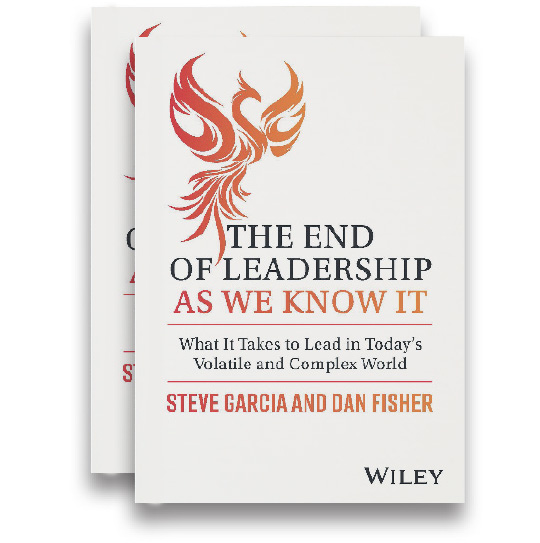
The allure of the heroic leader, a visionary figure who single-handedly steers an organization to success, is deeply ingrained in the corporate world. Yet, even among heroic-style leaders who clearly achieve impressive results, there are inherent downsides to this form of leadership. High-profile failures of those like Adam Neumann at WeWork and Elizabeth Holmes at Theranos further underscore the dangers of this outdated model. The reality is that in today’s increasingly complex business landscape, where the imperative to innovate is accompanied by myriad essential priorities, organizations require leadership approaches that prioritize collaboration and adaptability.
Some truly remarkable heroic leaders have captured the public imagination with bold visions and transformative initiatives, but their leadership styles tend to be centered around their personal influence and decision-making. This can come at the expense of cultivating sustainable organizational systems. For example, Howard Schultz, who helped revolutionize the coffee industry, has had to serve as Starbucks CEO three different times, with his repeated returns to the role reflecting an organizational culture overly reliant on his leadership. Similarly, even though Elon Musk has been instrumental in Tesla’s success, he has a tendency to micromanage and make controversial unilateral decisions, even claiming that he sleeps on the assembly line floor during production crises and expects his workers do the same. This domineering approach, coupled with a tendency towards sweeping changes like mass layoffs, have notably led to resignations by many of the company’s leading executives.
The pitfalls to heroic leadership can be especially pronounced, as epitomized by Neumann’s rise and fall at WeWork. By positioning himself as the irreplaceable visionary, Neumann built a culture of dependency that ultimately destabilized the company. His centralized authority and excessive ego alienated stakeholders, leading to a failed IPO and a dramatic valuation collapse. Similarly, Holmes cultivated a mythos of personal brilliance that stifled dissent and collaboration at Theranos. Her fixation on secrecy and top-down control as she falsely claimed to have revolutionized blood testing created an “ethical tragedy.” The lesson is clear: “No matter how charismatic, a leader’s heroism is inherently disempowering. It creates a culture of dependence. And that’s fatal in a company striving to become a complex adaptive system where everyone must act independently.”
The shortcomings of heroic leadership, which can be masked by short-term successes and grand narratives, ultimately reveal its unsustainable nature. Even celebrated figures often create over-dependency on a single individual, limiting the adaptability and operational efficacy necessary in today’s business environment. Ultimately, “heroic leadership is self-defeating because, the more heroic it is, the more it widens the gap between dependency and empowerment.” The path forward lies in embracing post-heroic leadership—an approach that leverages vision, innovation, and expertise while empowering teams, fostering collaboration, and building sustainable, adaptive systems capable of thriving in the face of uncertainty.